
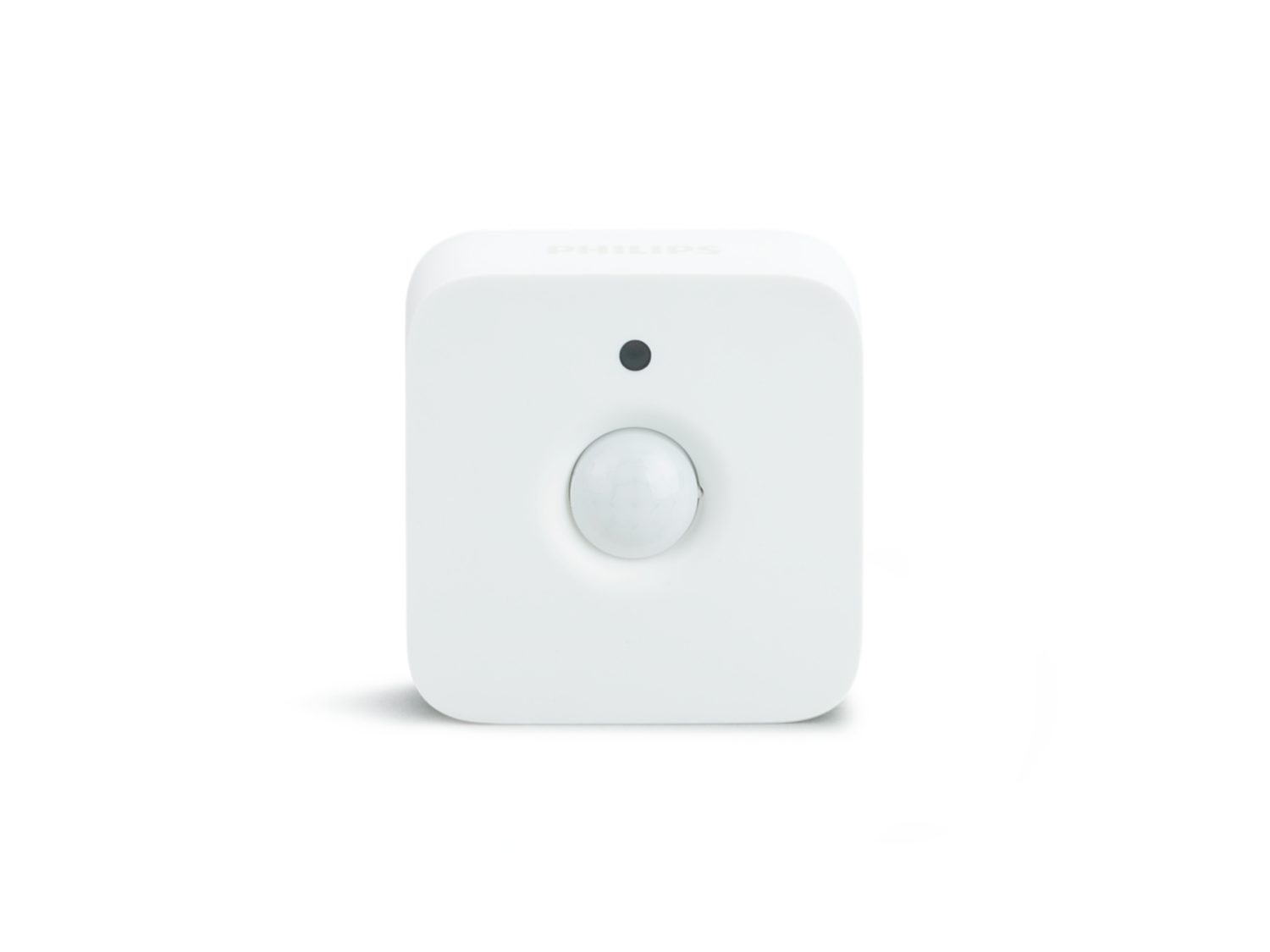
The Philips Hue Indoor Motion Sensor is a small, wireless sensor that can be used to control your smart home lights. It can be used to turn lights on and off automatically, or as part of any other automation the imagination conceves.
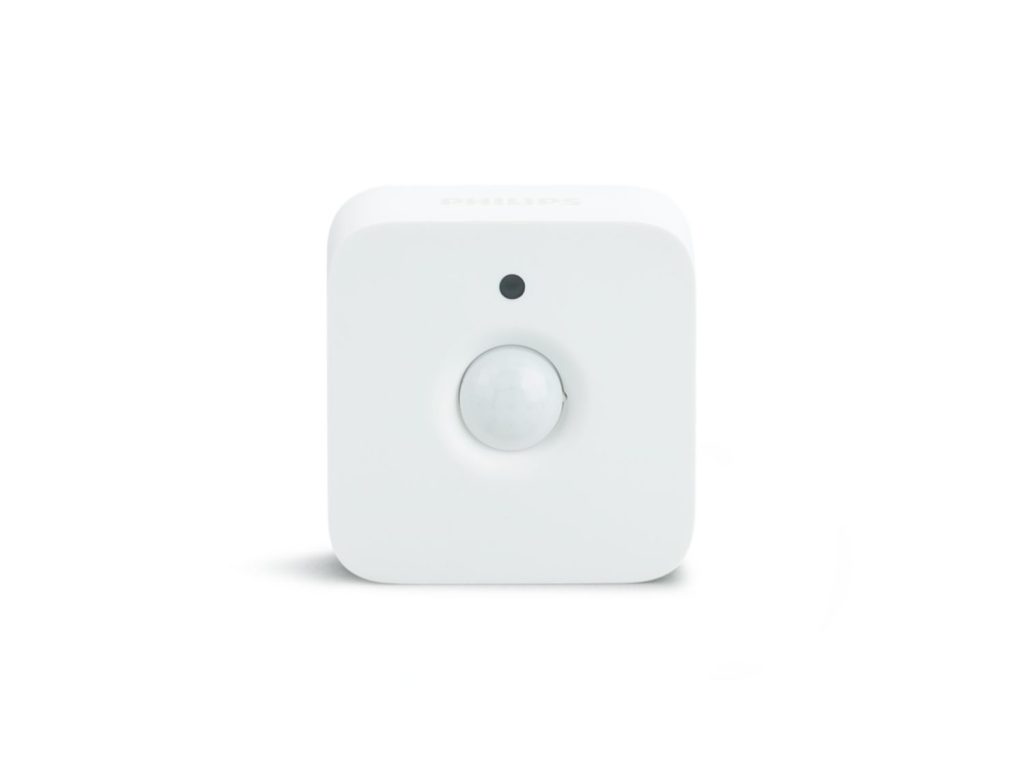
The sensor is easy to install and use. Simply screw it into a wall or ceiling, and then pair it with your Philips Hue bridge or other Zigbee product. Once it is paired, you can start using it to control your lights.
The sensor has a number of features that make it a great addition to any smart home system. It can detect motion up to 5m away, and it has a 180-degree field of view. This means that it can be used to cover a large area, and it can detect motion from multiple directions.
The sensor also has a number of settings that you can customize. You can adjust the sensitivity of the sensor, so that it only turns on the lights when there is significant motion. You can also adjust the brightness and color of the lights based on the amount of motion detected.
Overall, the Philips Hue Indoor Motion Sensor is a great way to add automation to your Philips Hue lights. It is easy to install and use, and it has a number of features that make it a versatile and powerful tool.
Here are some pros and cons of the Philips Hue Indoor Motion Sensor:
Pros:
- Easy to install and use
- Versatile and powerful
- Can be used to control a variety of smart home lights
- Has a number of customizable settings
Cons:
- Can be expensive
- Requires a Philips Hue bridge or other Zigbee hub
You can buy the Philips Hue Indoor Motion Sensor here

